Poetry High Streets started in autumn 2024, when poets Laurie Bolger, Mr Gee and Shagufta Iqbal began visiting Pitshanger Lane, Oldfields Circus and Hanwell. Between October 2024 and February 2025, they dropped into shops, cafes, hair salons and other businesses to meet the people that work there and find out about the stories, the characters, and the creativity on the high street. They asked traders about what makes their area special, what their ambitions for the area are and what ‘community’ means to them.
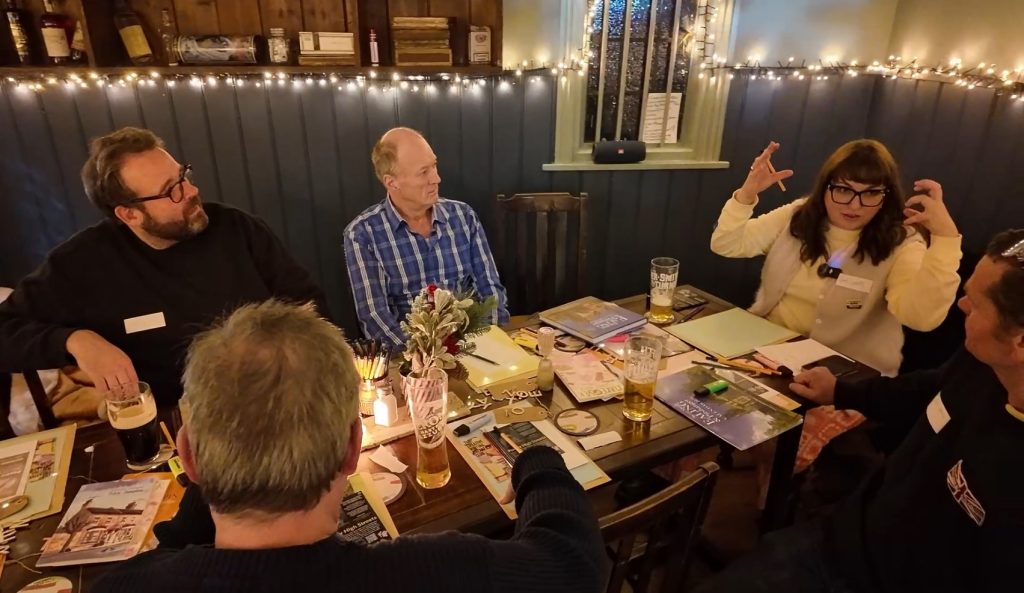
They also ran creative writing workshops for both traders and residents in a pub, café, housing development, and library. Out of their conversations, workshops, and observations of the neighbourhoods, the poets each put together a poem in response to their high street. These are composite poems, in the sense that a lot of the wording and imagery come from people in the community and reflect their perspective on the high street.
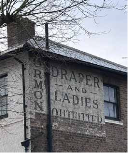
At the same time, design firm de Pass Montgomery started visiting the high streets to put together some ideas for the designs. Together with the Culture team, they looked at potential spaces like blank walls, empty shop windows, pavements, and level crossings. They made notes on the local vernacular—the architecture, typography, and styles that characterise an area—and came up with designs that set up a conversation with the existing look and feel of the high streets. They considered the history, such as the mauveine factory and Lyons Tea plant in Greenford, and were particularly interested in the ghost signs (often faded signs from shops that no longer exist) they saw.
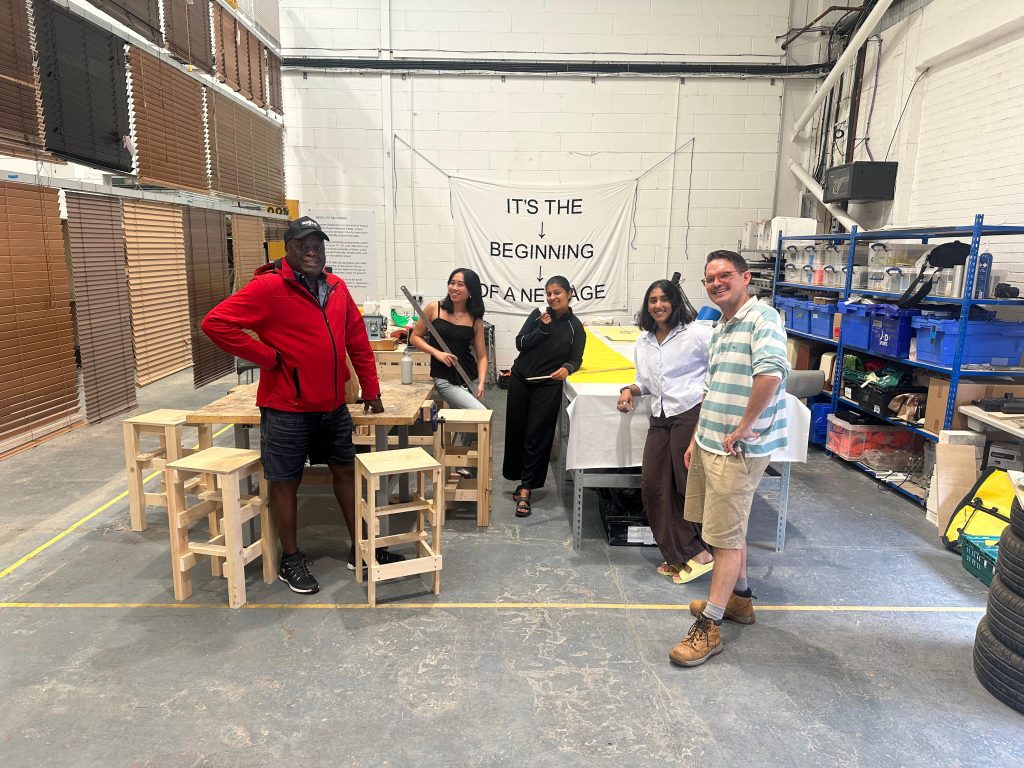
They drew on the local knowledge and relationships the poets had built up, and incorporated some of the lines from the poems into a series of installations, which were then produced by local fabricators and installers Rivermeade (Acton) and POW Studios (Park Royal). POW brought in Absolute Beginners, a maker space in Park Royal that trains up young people in material fabrication, to make This Going Away, the hanging in the windows of Pitshanger Community Library.
The signs don’t just respond through their words to what traders told us, but also in their function and location. In Hanwell, Shagufta Iqbal was told that the high street was poorly signposted from the station, and Village in the City is a direct response to this. In both Hanwell and Oldfields Circus a common theme was wanting more lighting, in part to discourage anti-social behaviour, so we have designed illuminated signs for these locations. In Oldfields Circus there was also an interest in using lighting to signpost the wonderful independent shops here to residents at the nearby Greenford Quay. Our budget only stretched to one sign, but perhaps it is the start of something!
Acknowledgements
A project like this doesn’t come together without a lot of people collaborating and contributing in different ways. Ealing Culture would like to thank everybody whose participation helped make this happen, whether through their creative input, taking the time to talk to us and share their ideas and experiences, making connections, making things, or hosting project activities. In particular, we should thank all the traders who invited us into their businesses, the poets and designers, installers and fabricators, the workshop participants, the local councillors who helped our poets find their feet, and of course the UK Shared Prosperity Fund for making this project possible.
Poems by Shagufta Iqbal, Laurie Bolger, and Mr Gee
Design by de Pass Montgomery
Special thanks to the Duke of Kent, Pitshanger Community Library, Co-op Ealing Funeralcare (Pitshanger Lane), Golden Crust Bakery (Oldfields Circus), Hanwell Square, Momentum Cafe, Hanwell Library, and Network Rail (Hanwell) for hosting workshops, installations, and an exhibition; Ealing Highways for their assistance with the illuminated signs; and to Kasia, Ewa, Kameran, Alana, and Georgia for writing their own poems for the project—you’re all stars!
NAVIGATION